Amara Khaled, [re]Voiced Collective (2025)
Artist Bio
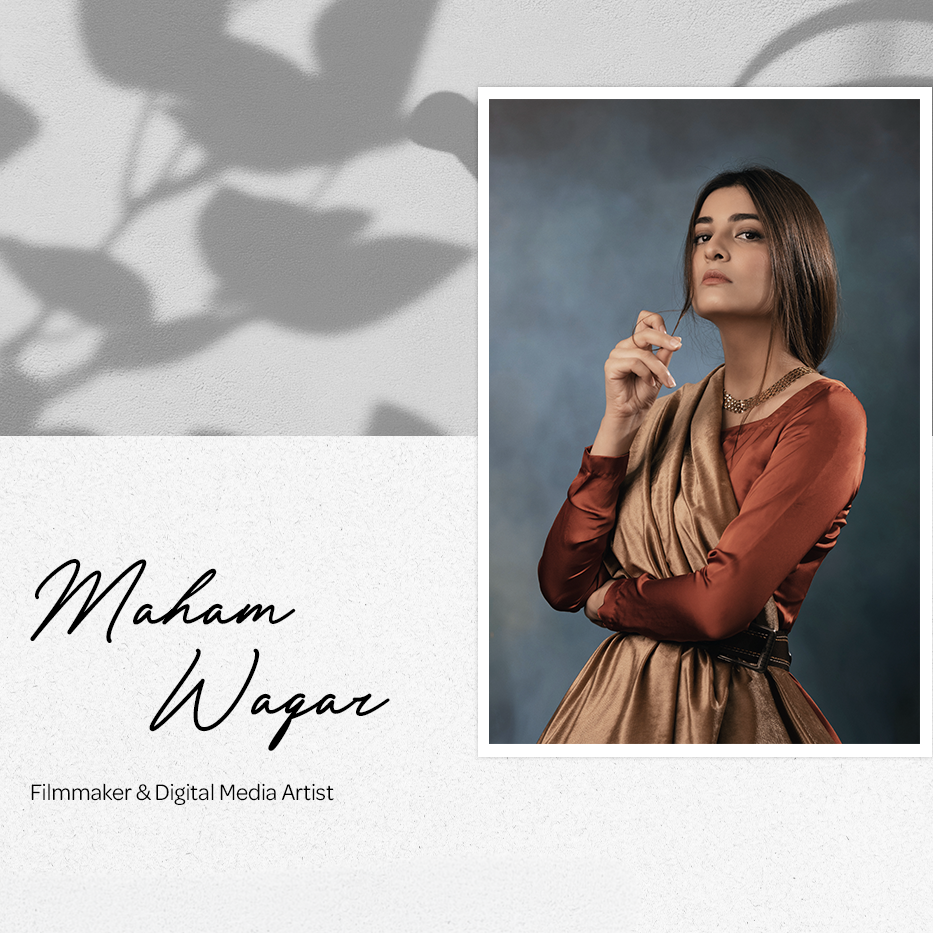
Maham Waqar is a filmmaker and digital media artist whose work explores social justice, human rights, and cultural silence through narrative cinema. Born in Lahore, Pakistan, she creates films centered on marginalized voices, particularly women and children navigating violence and systemic inequality. Drawing from real stories, her practice blends cinematic storytelling with trauma-informed approaches to advocate for empathy, accountability, and social change. Her work foregrounds underrepresented realities through emotionally immersive narratives that bridge personal experience and broader social structures. She holds a BA (Hons) in Film, Television, and Theatre from Beaconhouse National University, Pakistan, graduating summa cum laude.
Project Statement (Gulab, 2026)
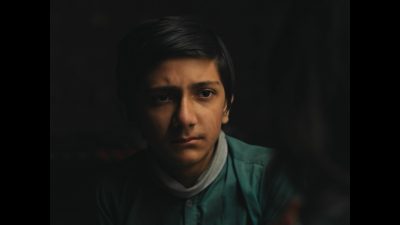
Gulab is a narrative short film that explores innocence, survival, and systemic violence through the journey of a young boy navigating spaces of vulnerability and exploitation. Set within the context of truck stations in Pakistan, the film draws attention to the reality of child abuse in these environments, an issue that remains largely unspoken.
The film begins with a sense of wonder and beauty as Gulab encounters a world that appears vibrant and full of possibility. This contrast gradually unravels, revealing the darker realities beneath the surface and reflecting the fragility of trust and the normalization of abuse.
Drawing from research and lived narratives, the project adopts a trauma-informed approach, using sound, atmosphere, and visual contrast to immerse audiences in Gulab’s experience. Gulab invites reflection, urging viewers to confront uncomfortable truths and the human cost of systemic neglect and silence.
Project Statement (Pir, 2026)
Pir is a narrative short film that explores faith, control, and the psychological impact of coercive spiritual authority on women’s autonomy. Set within the context of Pakistan’s caste-based marriage system, where individuals are often expected to marry within their own caste or extended family, the film examines the emotional and mental toll of these restrictive norms.
Following a young woman seeking healing, what begins as a space of belief and reassurance gradually shifts into psychological unease, blurring the boundaries between care and control. The film reflects on how spiritual authority can intersect with cultural pressures, reinforcing systems that limit personal choice and autonomy.
Through an intimate, restrained narrative, Pir builds tension through subtle shifts in tone, performance, and atmosphere. Drawing from lived realities, it invites audiences to question the structures of belief and tradition that shape identity, mental health, and freedom.

Back to (DIS)ORDER– 2025 MFA Thesis Exhibition